



APPLICATION DETAILS
2025-08-14
Laminated veneer lumber-LVL
What is LVL?
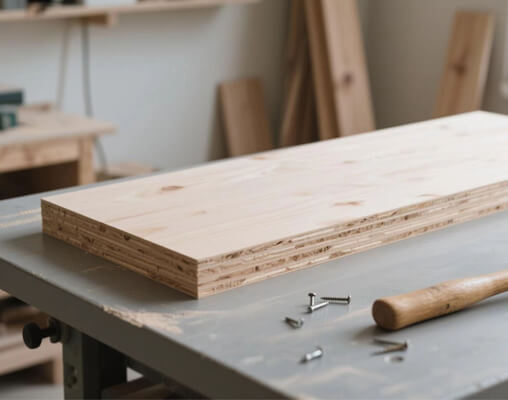
LVL is a member of the structural composite lumber product family, which is made from dried and graded wood veneers, strands, or flakes. These materials are layered on top of one another and bonded together with moisture-resistant adhesives to form large blocks called billets. Other products in this category include laminated strand lumber (LSL) and parallel strand lumber (PSL). In the case of LVL, the veneers are bonded together under heat and pressure.
How is LVL made?
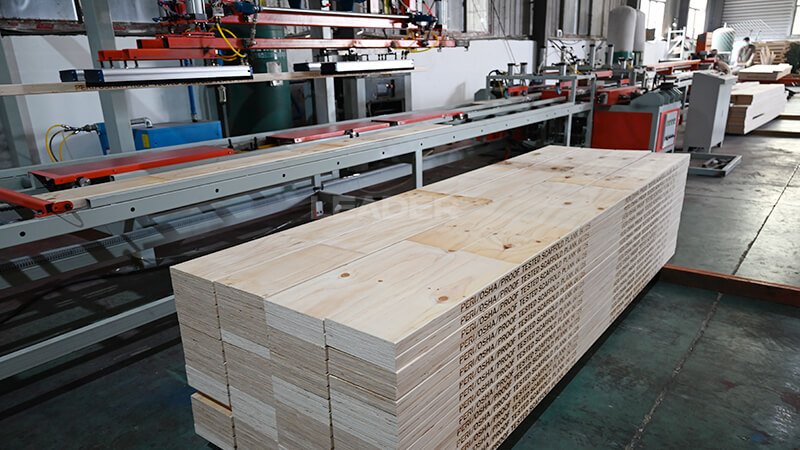
LVL is constructed using veneers that have been rotary-peeled. These veneers are bonded together under conditions of heat and pressure to form large panels, which are then cut into various widths. Phenol-formaldehyde resins are utilized to create waterproof bonds. A wide variety of wood species can be employed in the production of LVL, including Douglas-fir, larch, pine, and spruce. This allows for the manufacturing of components that exceed the lengths of traditional lumber. Usually, the veneers in LVL are arranged in the same direction.
What is LVL used for?
LVL is well-suited for applications such as beams, trusses, planks, and rafters. When it is cross-bonded to enhance stiffness, it can be utilized in the creation of wall and floor panels that possess load-bearing capabilities. Although it is often employed purely as a hidden structural element in a building, there are also finished appearance grades that find use.
The Performance of Laminated Veneer Lumber
In what ways does LVL differ from other construction materials?
LVL is a solid wood product with high predictability and uniformity, and it can be manufactured from fast-growing trees that are not suitable for making traditional solid-sawn lumber. Its consistent quality simplifies the construction process and lowers waste at construction sites. A variety of wood species can be used interchangeably without affecting its performance. This efficient utilization of wood fiber enhances its eco-friendly advantages and makes it an appealing substitute for materials with higher carbon intensity. Similar to most wood products, it is highly suitable for prefabrication. As an engineered product, LVL is less likely to shrink or warp, and it can span longer distances and bear heavier loads compared to conventional lumber.

Is LVL susceptible to rotting or molding?
Much like other wood-based products, LVL won’t rot or develop mould if it’s designed and installed properly. It’s important to keep it away from water during and after construction. Sealing the ends and edges of LVL helps prevent moisture from seeping in. For long-term exposure to moisture, preservative treatments and protective coatings are necessary. Adhering to best practices for managing moisture in wood construction will protect the product from damage or decay.
MESSAGE ONLINE
RELATED NEWS