



CONSULTATION DETAILS
Laminates VS Veneers What Should I Consider When Selecting?
Laminates vs. Veneers: A 2025 Guide to Choosing the Right Surface Finish for Your Home
Selecting the perfect surface finish for furniture, cabinets, or decor can feel overwhelming. With endless innovations in home design, laminates and veneers remain top contenders—but how do you decide? This guide breaks down their pros, cons, and ideal applications to help you make an informed choice.
What Are Laminates and Veneers?
-
Laminates: Synthetic sheets crafted by fusing layers of resin, plastic, and paper. Bonded to substrates like plywood or MDF, they offer durability and design versatility.
-
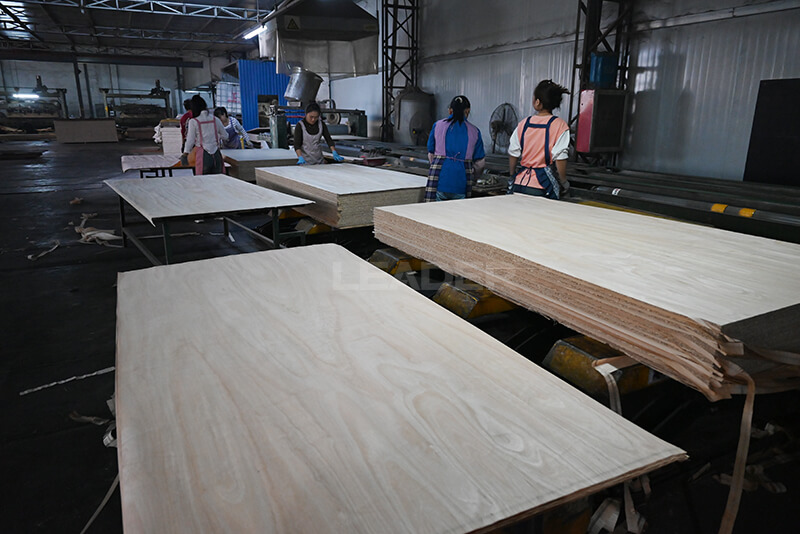
Veneers: Thin slices of natural wood glued to a core material (e.g., plywood). They replicate the elegance of solid wood at a fraction of the cost.
Key Factors to Compare
1. Aesthetics & Customization
-
Laminates:
-
Endless options: Choose from glossy, matte, metallic, textured, or digital prints.
-
Uniform patterns ideal for bold, modern styles.
-
-
Veneers:
-
Natural wood grains ensure organic, one-of-a-kind finishes.
-
Perfect for rustic, traditional, or luxury interiors.
-
Winner: Laminates for versatility; veneers for timeless authenticity.
2. Durability & Maintenance
-
Laminates:
-
Scratch, moisture, and heat-resistant (varies by grade).
-
Easy to clean with a damp cloth; low maintenance.
-
Lifespan: 15–25 years with proper care.
-
-
Veneers:
-
Prone to scratches, water damage, and UV fading.
-
Requires polishing and gentle cleaning.
-
Lifespan: 10–15 years (depends on wood type and upkeep).
-
Winner: Laminates for high-traffic areas; veneers for low-use statement pieces.
3. Sustainability
-
Laminates:
-
Made from non-biodegradable resins/plastics; eco-impact depends on recycling practices.
-
-
Veneers:
-
Renewable resource; uses minimal wood compared to solid timber.
-
Opt for FSC-certified veneers for eco-conscious projects.
-
Winner: Veneers for green design; laminates lack biodegradability.
4. Cost Comparison
-
Laminates: Budget-friendly.
-
Veneers: Mid-range to premium. Exotic wood veneers (e.g., teak, walnut) cost more.
Winner: Laminates for affordability; veneers offer luxury at lower cost than solid wood.
When to Choose Laminates
-
Modern kitchens, bathrooms, or offices needing water-resistant surfaces.
-
Bold colors, patterns, or glossy finishes.
-
Rentals or budget renovations requiring easy replacement.
When to Choose Veneers
-
Living rooms, dining areas, or bespoke furniture emphasizing natural beauty.
-
Warm, organic aesthetics with unique wood grains.
-
Eco-friendly projects prioritizing renewable materials.
Top Woods: Oak, walnut, maple, or reclaimed veneers.
Pro Tips for Decision-Making
-
Assess Usage: High moisture? Pick laminates. Light-use decor? Opt for veneers.
-
Match Style: Modern = laminates; classic = veneers.
-
Budget: Balance upfront costs with long-term maintenance.
-
Sustainability: Verify certifications FSC.
FAQ Section
Q: Can veneers be repaired if scratched?
A: Yes, sanding and refinishing can restore veneers—unlike laminates, which often need replacement.
Q: Are laminates fire-resistant?
A: Some high-grade laminates meet fire safety standards; check product specs.
Q: Which lasts longer?
A: Laminates generally outlast veneers in high-traffic zones.
Final Verdict
RELATED NEWS
MESSAGE ONLINE